
Your Step-By-Step Guide to Placenta Preparation and Encapsulation
Welcoming your baby is beautiful and life-changing, and planning gentle, nourishing postpartum care can help you feel grounded as you heal. If you are curious about placenta encapsulation but feel unsure about the logistics, safety, or timing, this guide walks you through every stage with calm, clear steps. You’ll know exactly what to expect, how to prepare, and how to care for your capsules afterward. You’ll also see how simple the process can be with experienced support and a plan that honors your birth and recovery.
What to Do Before Encapsulation
Preparation begins during pregnancy so everything is ready when your baby arrives. It’s best to reserve your service at or before 37 weeks to secure availability and handle hospital paperwork in advance.
In Texas, hospitals allow parents to keep their placenta, but most facilities appreciate early notice. Be sure to:
- Ask your provider about any necessary forms.
- Add a reminder to your birth plan so hospital staff know your intent.
- Pack a small cooler in your hospital bag.
- Bring two gallon-sized zip lock bags (one placed inside the other).
After birth, your support person should:
- Ensure the placenta is double-bagged and labeled
- Surround it with ice in the cooler.
- Contact your encapsulation specialist for pickup.
For Home Births
The process is the same. Your midwife will help with labeling and chilling, and your specialist will handle collection.
When processed following food safety protocols and correct temperatures, the method is designed to reduce microbes and ensure safety. Your specialist will guide you through any unique health circumstances.
How Long After Birth You Can Encapsulate
Timing is essential for both safety and quality. Here’s what to know:
- The placenta should be chilled within two hours of birth and kept refrigerated.
- Same-day pickup is common in the San Antonio area.
- If immediate processing isn’t possible, refrigeration for up to 3 days is acceptable.
- For longer delays, freeze the double-bagged placenta flat for easier handling later.
If you develop a fever during labor or are placed on antibiotics postpartum, talk to your specialist for personalized guidance.
How Your Placenta Is Prepared for Encapsulation
Once received, your placenta is handled according to strict food safety standards:
- The preparation space and tools are fully sanitized.
- Membranes and the cord are gently removed.
- The placenta is rinsed to remove clots while preserving nutrients.
Your placenta is prepared using the traditional method, which is lightly steamed with warming herbs like ginger myrrh. The Nurturing Root does not offer raw preparation.
Encapsulation Process
- Thin slices are placed in a dehydrator and dried at controlled temperatures.
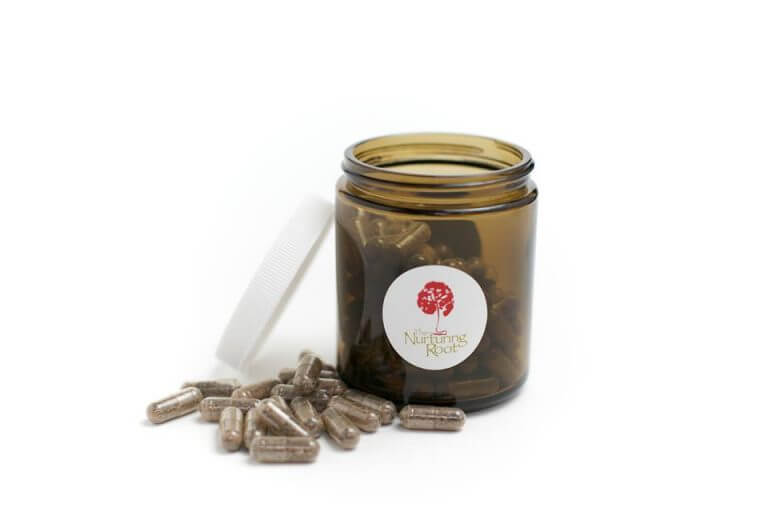
- Once fully dry, the placenta is ground into powder and placed into vegan capsules.
- Most parents receive 60 to 120 capsules, depending on placenta size.
Optional Keepsakes
- Placenta print using food-safe ink (resembles a tree of life). See our insta account for examples.
- Dried umbilical cord shaped into a heart.
- Tincture made from a small piece of placenta and high-grade alcohol for extended use.
What Happens During Pickup and Delivery
The logistics are simple and centered around your comfort:
- You or your partner text your specialist when labor begins.
- After birth, once the placenta is chilled, your specialist picks it up from your hospital or home.
- Preparation is done in a dedicated workspace or your home kitchen, depending on your preference.
- If in-home, your kitchen is left sparkling clean after the process.
Capsules are typically delivered within 1–2 days, along with:
- Labeled storage instructions
- A suggested dosing schedule
- Any keepsakes you requested
How to Care For and Use Your Placenta Capsules
You’ll receive clear, personalized instructions at the time of service, but here’s a common approach:
- Start with a modest dose in week one to support energy and milk production.
- Taper to a maintenance dose as your body adjusts.
- Store capsules in a cool, dry place away from heat and sunlight.
- If your home is warm or humid, store them in the refrigerator.
When to Pause
- If you develop a fever or mastitis, pause use.
- Resume once symptoms resolve and your provider gives approval.
Some parents save extra capsules for:
- Times of increased stress
- The return of menstruation
A tincture can help extend support for months or even years.
Safety, Reassurance, and Realistic Expectations
Your safety comes first. Professional encapsulation includes:
- Thorough sanitation
- Temperature control
- Open communication with you and your care team
While many clients report benefits like:
- Steadier mood
- Increased energy
- Improved lactation
…every body is unique. Your specialist will encourage you to pay attention to how you feel and adjust your dose as needed.
Placenta capsules work best alongside:
- Nutritious meals
- Hydration
- Adequate rest
- Emotional and physical postpartum support
How to Get Your Placenta Encapsulated
It’s easy to get started:
- Reach out during pregnancy to ask questions and reserve your service.
- Review your hospital’s placenta release process.
- On birth day, bring your cooler and double bags.
- Let your care team know you plan to keep your placenta.
- Send a text when labor starts.
- After birth, your support person handles the handoff.
- You rest and bond. Your specialist takes care of the rest.
If you’re in South Texas, The Nurturing Root offers placenta encapsulation in San Antonio with:
- Prompt pickup
- Clear, caring communication
- Warm, attentive follow-up
A Peaceful Path Forward
Placenta encapsulation can be a gentle, meaningful part of your postpartum plan. With a clear timeline and safety-first process, the entire experience becomes calm and empowering.
If you’re ready to feel supported and confident in your recovery, contact The Nurturing Root to reserve your date and create a postpartum plan that centers you and your baby.