Placenta Encapsulation Guide: Benefits, Safety, and What to Expect
The fourth trimester can be beautiful, tender, and intense all at once. You are healing, learning your baby, and finding your rhythm as a family, and it is natural to want steady energy, balanced moods, and calm support while you do it. Many families consider placenta encapsulation as one piece of a gentle, holistic plan for postpartum wellness, and if you are weighing the choice, you deserve clear, caring guidance that helps you feel confident.
In this article you will learn what many parents report after taking placenta capsules, how professional processing works from hospital release to home delivery, and what current research suggests, so you can decide whether the potential benefits align with your needs and values. You will also find practical steps for Texas hospital paperwork, timing your reservation by 37 weeks, and staying safe with evidence-informed protocols.
What families often notice with placenta encapsulation
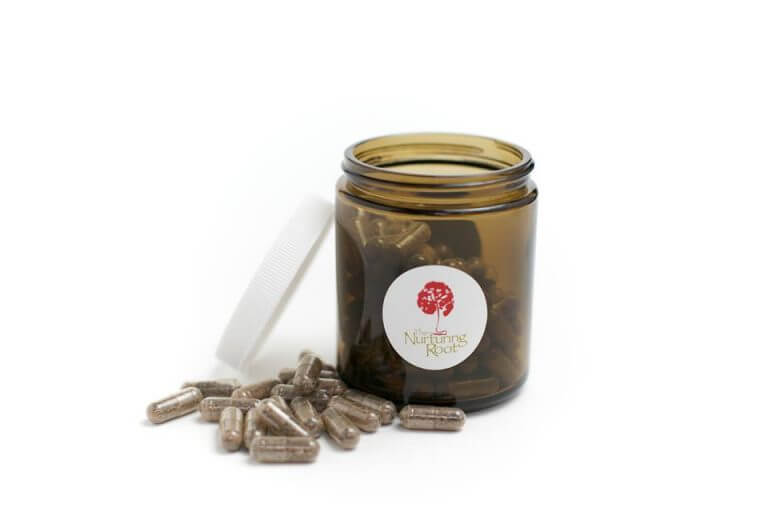
Placenta encapsulation is the process of preparing your placenta into easy-to-take capsules after birth. Families who choose it commonly describe steadier energy during the early weeks, more even moods as hormones shift, a sense of emotional stability, and for some, an encouraging boost in milk supply that helps them establish feeding. Experiences vary, and responses are personal, but many clients share that capsules feel like a gentle lift when days are long and sleep is short. We hear this most often in the first two to three weeks, when the body is navigating normal hormone recalibration and the demands of newborn care.
It can also feel supportive in simple, practical ways. Parents can combine capsules with nourishing meals, postpartum support, hydration, rest, and light movement, creating a comprehensive plan that supports a peaceful, grounded recovery.
What the research currently shows
The scientific literature on placenta encapsulation is growing but still limited. Small studies have measured nutrient and hormone levels in processed placenta, and some observational research explores parent-reported outcomes such as mood, energy, and lactation. Results are mixed, and there is no universal guarantee of benefit. That said, many families report feeling better with capsules than without, especially regarding perceived energy and day-to-day emotional balance. As an informed consumer, it helps to weigh your personal wellness goals, past postpartum experiences, and your care team’s guidance.
Safety is a central part of the conversation. Evidence-informed food-safety practices, including controlled dehydration temperatures, strict sanitation, and clear storage and use guidelines, are essential. Reputable practitioners provide written instructions for when to pause capsules, such as during fever or breast infections like mastitis, and resume only after symptoms resolve. If you are GBS positive, proper processing protocols and correct temperatures are used to address those concerns. When safety standards are followed consistently, many families feel confident choosing encapsulation as part of their postpartum care plan.
How the process works, from pickup to delivery
Planning ahead makes the entire experience smooth and stress-free. We recommend reserving your encapsulation by or before 37 weeks so your hospital notes the request and any forms are completed. In Texas, parents have the legal right to take their placenta home from hospitals. Most facilities honor this with simple paperwork, and your care team can flag your chart so the placenta is safely stored and released after birth.
Let your practitioner know when labor is underway, so pickup can be timed closely after delivery. When your baby arrives, your nurse will place the placenta in two clean gallon-sized zip-lock bags. Keep the placenta chilled on ice in a small cooler, and notify your placenta encapsulator that you are ready for pickup. Once the placenta is transported, it is gently prepared, dehydrated at controlled temperatures, ground into a fine powder, and placed into capsules for consistent use. Typical placenta yields range from about 60 to 120 capsules, with most parents receiving around 100 depending on placenta size and preferences. Finished capsules, and any additional services like prints or tincture, are delivered to your home with clear usage and storage guidance.
If you prefer full transparency, in-home preparation is an option some families love because sanitation is visible and your space is cared for thoughtfully throughout. Either way, the focus remains on your comfort, safety, and a seamless handoff so you can rest and bond.
Is placenta encapsulation worth it?
Only you can decide what is right for your body and your family, but here is a balanced way to think about it. If you value a gentle, traditional approach that many parents say supports energy, mood, and feeding, and you plan to work with a practitioner who follows strict, documented food-safety protocols, encapsulation can be a meaningful addition to your postpartum care plan. If you prefer to rely on interventions with robust randomized evidence or you have medical reasons to avoid certain supplements, you may decide to skip it. Most families who choose encapsulation describe it as a helpful boost during a short, sensitive window when even small improvements feel significant.
Gentle safety reminders
Use your capsules as directed, store them in a cool, dry place, and pause them during any episode of fever or active infection. If you have questions about milk supply, mood, or how you are feeling on a given day, reach out to your provider or postpartum support team. Thoughtful, layered care usually works best, so consider pairing capsules with rest, hydration, warm meals, and additional support at home.
Support for a calm, grounded fourth trimester
If you are in the San Antonio area and exploring your options, The Nurturing Root provides professional placenta encapsulation with documented food-safety protocols, timely pickup, home delivery, and thoughtful keepsakes. Learn more about our placenta encapsulation services and what families often notice in the early weeks by visiting our page on placenta encapsulation benefits, or get answers to common questions about the placenta encapsulation process and how to get your placenta encapsulated.
A peaceful postpartum begins with gentle preparation. If encapsulation feels aligned with your needs, reserve your service by 37 weeks so you can settle into the beautiful fourth trimester feeling supported, informed, and cared for. Contact The Nurturing Root for a quote today.