
What is the Best Placenta Encapsulation Method? Comparing Traditional and Raw Preparation
When parents begin researching placenta encapsulation, one of the first questions they often ask is, “What is the best placenta encapsulation method?” It’s a great question, and one that deserves more than a simple answer.
You may discover that different encapsulation specialists prepare the placenta in different ways. Some offer a raw preparation, while others, like The Nurturing Root, follow the Traditional Chinese Medicine (TCM) method, which includes steaming the placenta before dehydration.
If you’ve never heard of these differences before, you’re not alone. Most expecting parents are surprised to learn there is more than one preparation method.
Since beginning The Nurturing Root in 2012, I’ve had countless conversations with families trying to understand which approach is right for them. While both methods share the same goal, preparing the placenta for encapsulation, they differ significantly in philosophy, preparation, and handling.
In this guide, we’ll explore both methods, discuss food safety considerations, address common questions about Group B Streptococcus (GBS), and explain why I’ve chosen to exclusively offer the Traditional Chinese Medicine preparation after more than a decade of serving postpartum families.
What Is Placenta Encapsulation?
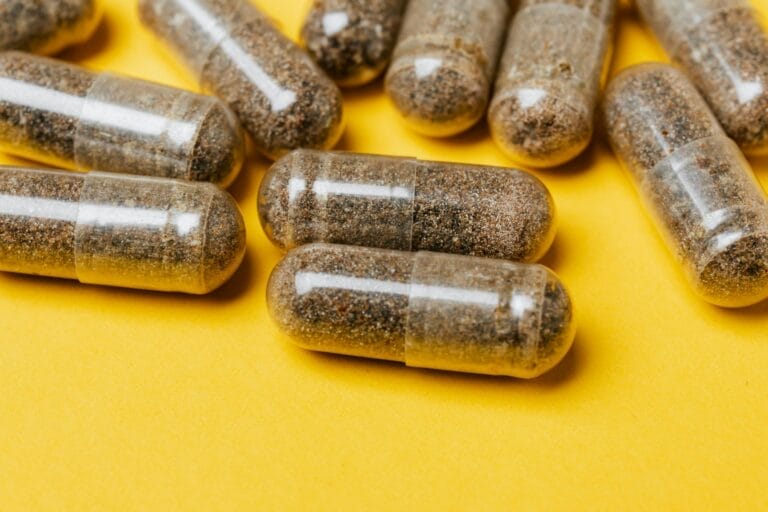
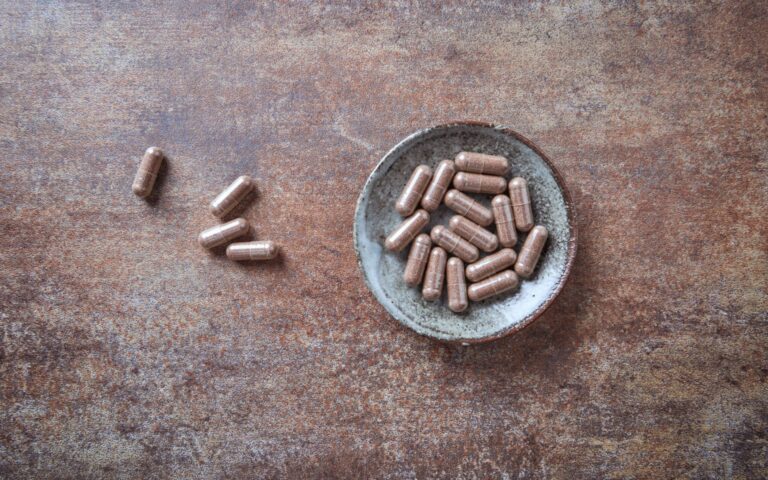
Placenta encapsulation is the process of transforming the placenta into easy-to-swallow capsules after birth.
Although preparation methods vary, the general process includes:
- Receiving the placenta shortly after delivery
- Cleaning and preparing the placenta
- Slicing and dehydrating the placenta
- Grinding it into a fine powder
- Filling vegan capsules
Many parents choose placenta encapsulation as part of a holistic postpartum recovery plan. While research on placenta consumption is still evolving, many families report experiencing benefits such as steadier energy, emotional balance, and support during the early weeks after birth.
At The Nurturing Root, we believe placenta encapsulation is just one piece of a healthy postpartum plan that also includes nourishing food, adequate hydration, rest, emotional support, and realistic expectations during the fourth trimester.
Why Are There Different Preparation Methods?
Placenta encapsulation has become increasingly popular over the last two decades, but there are no universal standards that dictate exactly how the placenta should be prepared.
As a result, two primary methods have emerged:
- Traditional Chinese Medicine (TCM) preparation
- Raw preparation
Each developed from a different philosophy.
The Traditional Chinese Medicine method is rooted in centuries of postpartum care traditions. While modern placenta encapsulation isn’t identical to ancient Chinese practices, it draws inspiration by gently steaming the placenta before dehydration.
The raw method, by contrast, omits the steaming step. Instead, the placenta is cleaned, sliced, and placed directly into a dehydrator.
Both methods ultimately produce capsules, but the journey to get there is quite different.
What Is the Traditional Chinese Medicine Method?
The Traditional Chinese Medicine preparation is the method I have chosen to use since opening The Nurturing Root in 2012.
In this process, the placenta is:
- Carefully inspected and cleaned.
- Gently steamed before dehydration.
- Sliced into thin pieces.
- Dehydrated at controlled temperatures.
- Ground into a fine powder.
- Encapsulated in vegan capsules.
Historically, steaming wasn’t simply about preparing the placenta, it reflected Traditional Chinese Medicine’s philosophy of supporting the body’s transition after birth.
In TCM, the postpartum period is viewed as a time when the body is recovering from significant blood and energy loss. Gentle warmth and nourishment are emphasized during this stage, and steaming the placenta before dehydration was believed to help create a preparation that better supported this period of recovery.
Today, while many encapsulation specialists appreciate these traditional roots, steaming also aligns with another important value: thoughtful, consistent food handling.
That combination of tradition and modern preparation standards is one of the reasons I continue to believe this method offers the best overall experience for my clients.
What Is the Raw Preparation Method?
The raw preparation method takes a different approach.
Instead of steaming the placenta, the practitioner cleans the tissue, slices it, and places it directly into the dehydrator before grinding it into capsules.
Some practitioners who offer this method believe that avoiding heat before dehydration preserves more naturally occurring compounds within the placenta.
At this time, however, there is very little scientific research comparing the health outcomes of raw and traditional placenta preparation methods. We simply don’t have enough evidence to conclude that one method produces greater postpartum benefits than the other.
For many practitioners, choosing between the two methods comes down to philosophy, personal experience, and preparation practices rather than scientific proof.
For me, that decision has always centered on one guiding principle: providing families with a preparation process that emphasizes thoughtful handling, consistency, and food safety from beginning to end.
Traditional vs. Raw Placenta Preparation: A Side-by-Side Comparison
Although both methods ultimately produce placenta capsules, the preparation process differs in several important ways.
The following comparison highlights the primary differences between the two approaches.
| Traditional Chinese Medicine (TCM) | Raw Preparation |
|---|---|
| Placenta is gently steamed before dehydration | Placenta is not steamed before dehydration |
| Inspired by Traditional Chinese Medicine postpartum practices | Modern preparation approach |
| Uses controlled heat before dehydration | Begins dehydrating immediately after preparation |
| Focuses on balanced preparation and food safety philosophy | Preferred by some practitioners who wish to avoid steaming to preserve hormones and minerals. |
| Method offered by The Nurturing Root | Not offered by The Nurturing Root |
As you can see, neither method is inherently “right” or “wrong.” Instead, they reflect different philosophies about preparation.
When parents ask me which placenta encapsulation method is best, I always encourage them to think beyond the finished capsules and consider how the placenta is handled throughout the entire process.
Why Food Safety Matters
One of the biggest reasons I exclusively offer the Traditional Chinese Medicine preparation is because it aligns closely with my commitment to food safety.
Although placenta encapsulation is not regulated under a universal national standard, the placenta itself is still biological tissue. Like any food product or biological material, it deserves careful handling from the moment it leaves the hospital until the finished capsules are delivered.
At The Nurturing Root, every placenta is treated using preparation practices designed to minimize risk while respecting the significance of the organ itself.
That includes attention to:
- Proper refrigeration immediately after birth
- Prompt pickup and transport
- Thorough sanitation of all work surfaces
- Dedicated preparation equipment
- Careful hand hygiene throughout the process
- Cleaning and disinfecting equipment between every client
- Proper storage before and after encapsulation
Many parents are understandably focused on the final capsules, but the preparation process is just as important.
A thoughtful preparation process helps provide peace of mind during an already emotional and vulnerable time.
The Importance of Time and Temperature
One of the reasons the Traditional Chinese Medicine method has remained my preferred preparation technique is its use of controlled heat throughout the process.
The placenta is first gently steamed before being dehydrated over many hours at carefully monitored temperatures.
Heat has long been recognized as an important component of food preparation because it helps reduce microbial presence. While no preparation process should ever be described as sterilizing the tissue, thoughtful use of heat can be one part of a comprehensive food safety approach.
The steaming step is followed by slow dehydration until the placenta is completely dry before being ground into powder and placed into capsules.
Proper dehydration serves two important purposes:
- It removes moisture that microorganisms need to grow.
- It creates a stable product suitable for encapsulation.
Just as importantly, dehydration should never be rushed. Time and temperature work together to produce a consistent final product.
Throughout the entire preparation process, I maintain the same careful standards I’ve followed since opening my practice in 2012.
Why I Chose the Traditional Method
People often assume I chose the Traditional Chinese Medicine method because it’s older.
That isn’t actually why.
I chose it because, after years of working with postpartum families, it consistently aligns with the experience I want my clients to have.
While scientific research comparing preparation methods is limited, I have something equally valuable: more than a decade of observing how hundreds of families respond to their capsules.
Over the years, I’ve occasionally spoken with parents who previously used capsules prepared using the raw method before becoming my clients.
One comment came up often enough that I began paying attention.
Many described feeling almost too energized.
Rather than experiencing a steady lift in energy, some reported feeling overstimulated, restless, or even slightly jittery during a season when their bodies desperately needed calm, restorative rest.
Of course, everyone’s postpartum experience is different. Many factors influence how someone feels after birth, and these observations are entirely anecdotal. There is currently no research showing that one preparation method creates a different physiological response than the other.
Still, after hearing similar feedback over many years, I began to notice a pattern.
By comparison, families receiving the Traditional preparation from The Nurturing Root more often described their experience using words like:
- Balanced
- Steady
- Calm
- Grounded
- Gentle
Those descriptions resonated with my own philosophy of postpartum care.
The weeks after birth aren’t about pushing through exhaustion or trying to feel energized enough to “do it all.”
They’re about healing.
They’re about slowing down.
They’re about allowing your body to recover while caring for your baby.
For me, the Traditional preparation complements that philosophy beautifully.
A Philosophy of Gentle Recovery
Traditional Chinese Medicine has always viewed postpartum recovery as a time of rebuilding.
Rather than asking the body to perform at its highest level immediately after birth, TCM emphasizes warmth, nourishment, rest, and gradual restoration.
That perspective mirrors much of what modern postpartum professionals encourage today.
Whether we’re talking about:
- Warm nourishing meals
- Hydration
- Rest
- Community support
- Gentle movement
…the overall goal is the same: helping the body recover in a sustainable way.
I believe the Traditional preparation method reflects that same mindset.
It isn’t about making capsules “stronger.”
It’s about creating a preparation that feels supportive, balanced, and aligned with the body’s natural healing process.
If you’re interested in placenta encapsulation after your upcoming birth, reach out today.