
Understanding GBS and Placenta Encapsulation: What Expecting Parents Should Know
For many parents, receiving a positive GBS result can feel surprising or even concerning. One of the most common questions we hear is whether a positive GBS test affects the ability to safely choose placenta encapsulation.
The good news is that being GBS positive does not automatically mean you cannot encapsulate your placenta. Understanding what GBS is, how common it is, and how proper preparation methods support safety can help you make an informed decision about your postpartum care.
Understanding the relationship between GBS and Placenta Encapsulation is crucial for making informed decisions about your postpartum care.
What Is Group B Streptococcus (GBS)?
Group B Streptococcus, commonly called GBS, is a type of bacteria naturally found in the digestive and reproductive tracts of many healthy adults. It is not considered a sexually transmitted infection, nor does it typically cause illness in healthy individuals.
In fact, GBS is extremely common. According to the CDC, approximately 1 in 4 pregnant women carry GBS bacteria at any given time.
Most people who have GBS don’t know it because it usually causes no symptoms and requires no treatment outside of pregnancy.
Why is GBS Tested for in Pregnancy?
Because GBS can be passed to a baby during labor and delivery, healthcare providers routinely screen pregnant patients between 35 and 37 weeks of pregnancy.
The test is simple and involves swabbing the vaginal and rectal areas. Results help providers determine whether antibiotics should be given during labor to reduce the risk of transmission to the baby.
A positive test does not mean you are sick. It simply means the bacteria were present when the test was performed.
GBS Is Often Transient
One important thing many people don’t realize is that GBS colonization is often transient, meaning it can come and go over time.
A person may:
- Test positive during one pregnancy and negative during another
- Test positive one month and negative later
- Carry GBS without symptoms for a period of time and then no longer carry detectable levels
Because the presence of GBS can change, testing is performed late in pregnancy to provide the most accurate picture before delivery.
This transient nature is one reason why a positive result should be viewed as information for your healthcare team rather than a diagnosis of illness.
How GBS Is Managed During Labor
If you test positive for GBS, your provider will typically recommend intravenous antibiotics during labor.
These antibiotics are highly effective at reducing the risk of passing GBS to your baby during birth.
Today, routine screening and antibiotic treatment have dramatically reduced the incidence of early-onset GBS infections in newborns.
Many GBS-positive parents go on to have healthy pregnancies, healthy deliveries, and healthy babies.
GBS and Placenta Encapsulation
In most cases, yes.
A positive GBS test alone does not automatically disqualify someone from placenta encapsulation.
The key factor is how the placenta is handled and prepared.
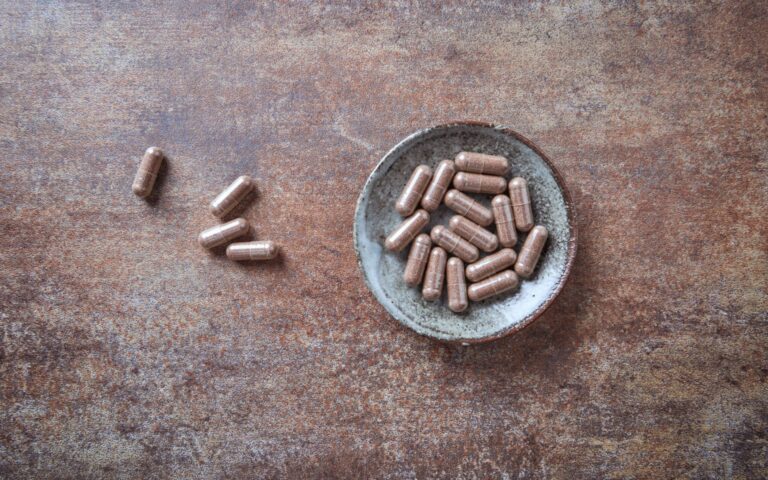
Professional placenta encapsulation specialists should follow strict food safety practices that include sanitation, controlled dehydration temperatures, proper storage, and careful handling throughout the preparation process.
At The Nurturing Root, we have safely served GBS-positive clients since 2012 and follow established preparation protocols designed to prioritize safety at every stage. We also do not offer the raw method, which increases the risk of negative outcomes.
How Our Preparation Process Supports Safety
Safety has always been at the center of our work.
Our process includes:
- Prompt pickup and transport
- Careful refrigeration and storage
- Thorough sanitation procedures
- Controlled dehydration temperatures
- Clean equipment and work surfaces
- Detailed handling protocols from start to finish
The dehydration process is particularly important because it uses temperatures intended to significantly reduce bacterial presence while creating a shelf-stable product.
Every placenta is handled individually, and sanitation measures are followed throughout the preparation process to prevent cross-contamination.
When Additional Evaluation May Be Needed
While a positive GBS result alone does not typically prevent encapsulation, there are situations where additional discussion may be appropriate.
These can include:
- Maternal fever during labor
- Chorioamnionitis or suspected uterine infection
- Active postpartum infection
- Significant complications during delivery
If any of these situations occur, we encourage open communication with your healthcare provider and our team so we can discuss the safest course of action for your specific circumstances.
Your wellbeing and your baby’s wellbeing will always come first.
Why Professional Preparation Matters
Not all placenta preparation methods are the same.
When considering placenta encapsulation, it’s important to choose a specialist who can clearly explain:
- Their sanitation procedures
- Their dehydration process
- Their handling protocols
- Their experience serving GBS-positive clients
A qualified specialist should welcome your questions and be transparent about how they approach safety.
Since 2012, The Nurturing Root has supported families throughout San Antonio and South Texas with compassionate, professional placenta encapsulation services designed to provide peace of mind during the postpartum period.
Making an Informed Decision
A positive GBS test can feel intimidating at first, but it is a common part of pregnancy care and affects millions of families every year.
Being GBS positive does not automatically mean placenta encapsulation is off the table. Understanding the nature of GBS, the role of labor antibiotics, and the importance of professional preparation can help you make the decision that feels right for your family.
If you have questions about GBS, placenta encapsulation, or your unique circumstances, we’re always happy to talk through your options and help you feel informed and supported as you prepare for your postpartum journey. Contact us today.